Project Management & Documentation
Industrial electrical projects succeed on planning, not luck
In industrial environments, electrical work is rarely simple. You’ve got live production, safety constraints, shutdown windows, critical equipment, multiple contractors, and expensive downtime. The difference between a smooth project and a painful one is project management, and the difference between a supportable site and a future headache is documentation.
Our Project Management & Documentation service supports industrial electrical delivery from planning to handover, with structured coordination, controlled shutdowns, clear reporting, and documentation that protects your facility long-term.
What we deliver
We scale project management to suit the job size, from staged lighting upgrades to full plant expansions.
Project planning and shutdown coordination
Scope definition and staged delivery planning
Shutdown window planning to minimise downtime
Work sequencing around production, safety zones, and access constraints
Procurement coordination for long-lead equipment and critical components
Risk identification and mitigation planning
Trade coordination and site delivery
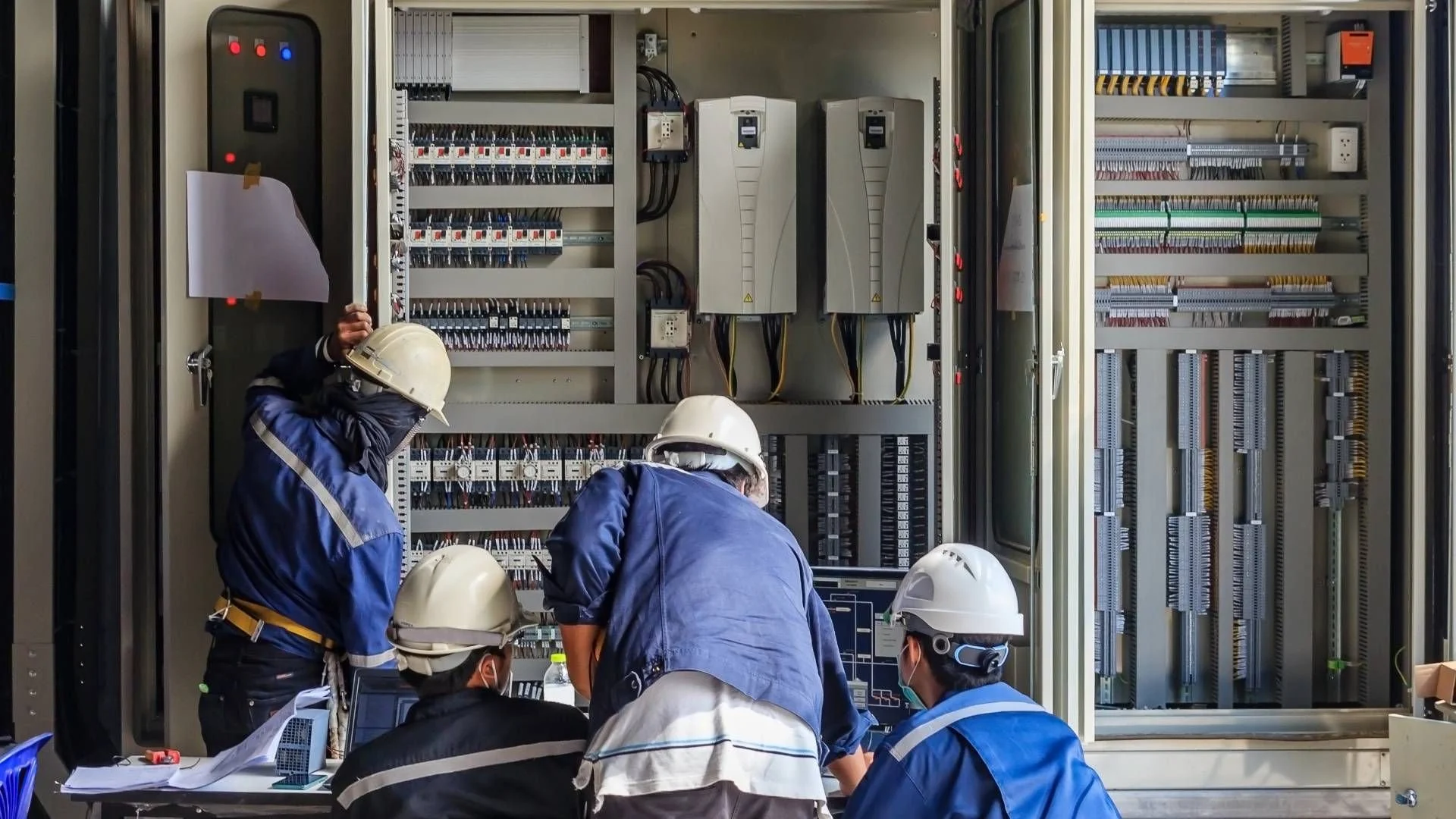
Coordination with maintenance teams, engineers, and other contractors
On-site scheduling and progress management
Quality control and consistency across installation standards
Variation control and change management to keep work aligned
Documentation for safety, compliance, and serviceability
Depending on scope, documentation can include:
Electrical drawings and layouts (where required)
Circuit schedules and distribution records
Switchboard labelling standards and updates
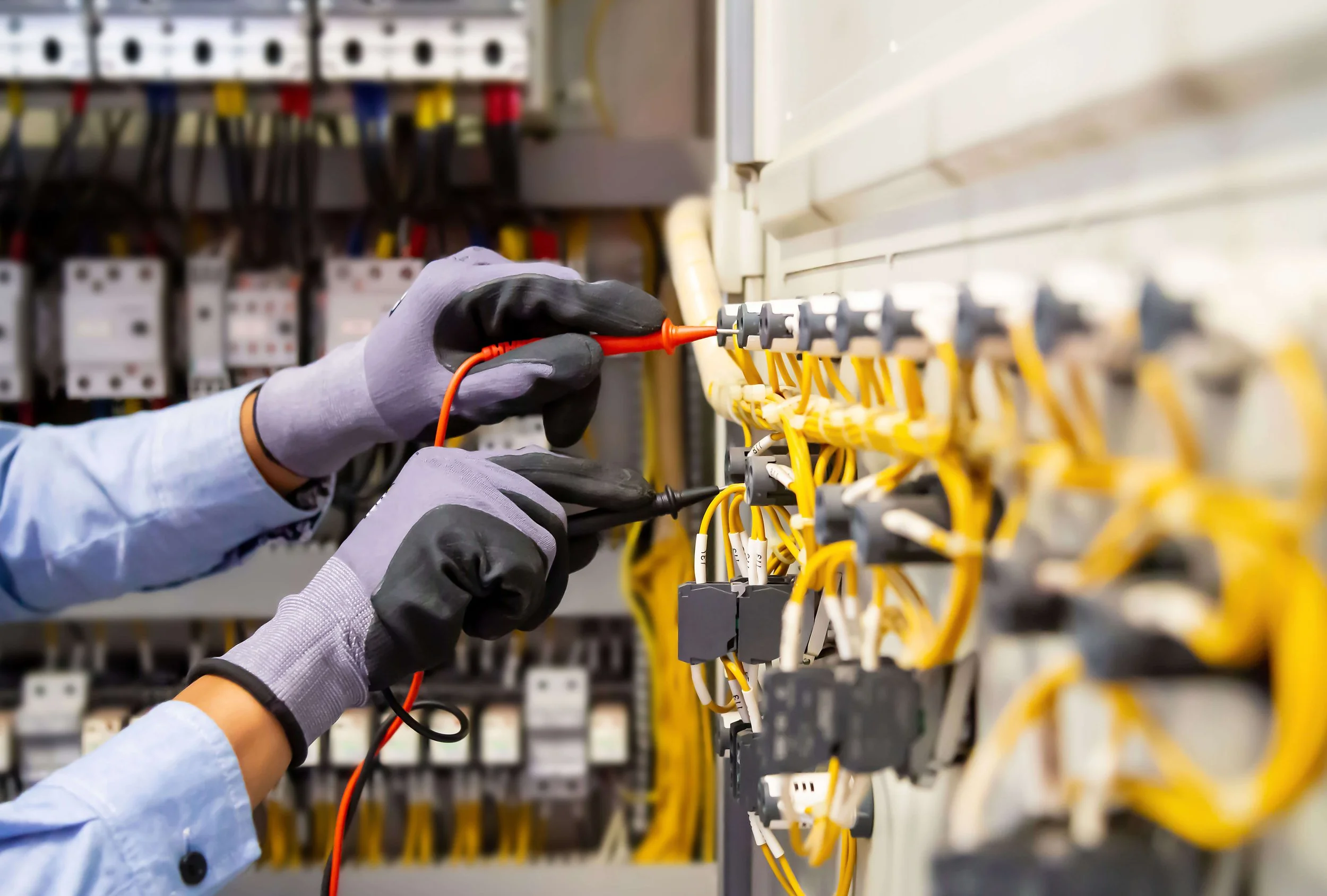
Test and commissioning records
Equipment and connection records to support future servicing
As-built documentation reflecting what was actually installed
Commissioning and handover
Commissioning planning and validation checklists
Clear handover packs for maintenance teams
Documentation that supports faster troubleshooting and future upgrades
Recommendations for maintenance and lifecycle planning
Why documentation matters in industrial sites
Faster troubleshooting, less downtime
Clear records reduce fault-finding time when something goes wrong.
Safer maintenance
Knowing what is connected where reduces risk during servicing and upgrades.
Protects knowledge through staff changes
Documentation reduces reliance on tribal knowledge and protects the site long-term.
Supports future expansions
As-built records make future projects faster, cleaner, and less disruptive.
Typical projects we support
Plant upgrades and machinery additions
Switchboard, distribution, and transformer projects
High bay lighting and staged site lighting upgrades
Shutdown works and maintenance windows
Infrastructure expansions for new production areas
Compliance-driven upgrades and remediation work
Our process
Discovery and scope review
Confirm requirements, risks, constraints, and timelines.
Planning and coordination
Shutdown planning, staging, and documentation expectations.
Delivery and quality control
On-site coordination, sequencing, and workmanship standards.
Testing and commissioning
Verification, performance validation, and sign-off support.
Handover and documentation close-out
Final records, as-builts, and maintenance guidance.
FAQ
Can you plan electrical works around production schedules and shutdown windows?
Yes. We commonly stage work to suit operational constraints and plan shutdown windows carefully to reduce downtime.
What documentation do you provide at handover?
Scope dependent, but typically includes circuit schedules, switchboard labelling, test and commissioning records, and as-built updates where required.
Do you manage coordination with engineers, maintenance teams, and other contractors?
Yes. Industrial delivery often involves multiple stakeholders. We coordinate sequencing, access, and safety considerations to keep the project aligned.
Do you provide as-built documentation?
Yes, where included in scope. As-builts reflect what was actually installed, including changes made during the project.
How do you manage variations and scope changes?
We track changes clearly, communicate impacts early, and update documentation so the final system remains supportable.
Will good documentation reduce future servicing costs?
Yes. Clear records speed up troubleshooting and reduce time spent isolating faults, especially in high-demand industrial environments.
Can you support commissioning and sign-off for plant upgrades?
Yes. We plan commissioning, validate performance, complete required testing, and support structured handover.